
Our doubts are traitors
Don’t look a gift bird in the mouth

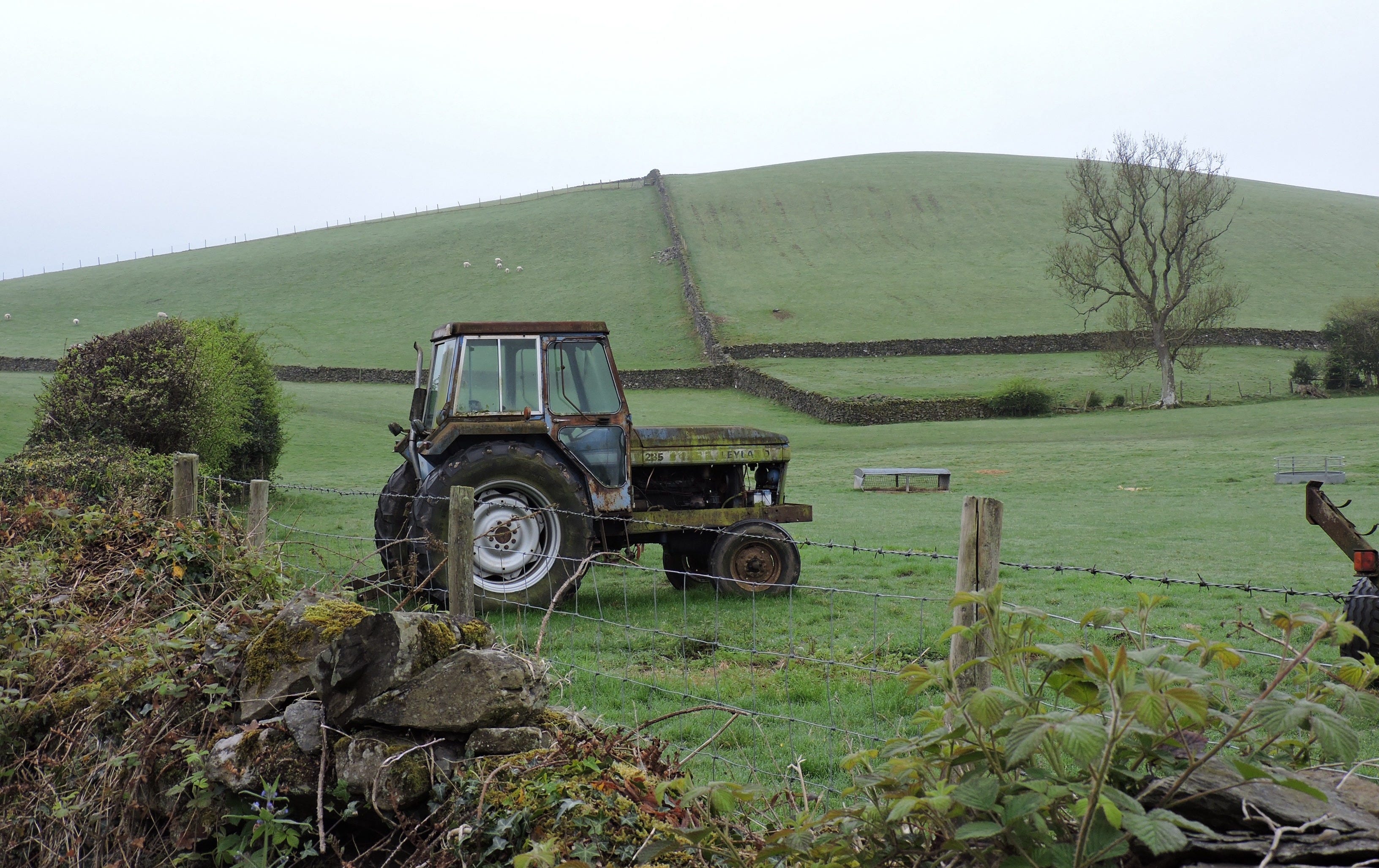
We’ve gradually become friends with the owner of a farm my son walks through on the way to (pre)school. Although we call him The Farmer and he comes from generations of farmers, he’s actually an agricultural engineer and the yard is full of old tractors and machinery, all tended to with loving care according to a private system that certainly exists but isn’t immediately apparent.1 (I also have private systems and recognise one even where I don’t understand it.)
I’ve written elsewhere about his kindness to the children, showing one of them a bird nest, giving them eggs laid by his hens, even putting a few coins into their grubby hands for birthdays and holidays, or when they’ve had a haircut,2 but we’ve also got into the habit of having sometimes quite long conversations from time to time. During one of these last year I mentioned that I like eating pheasant and he said he’d bring me one some day.
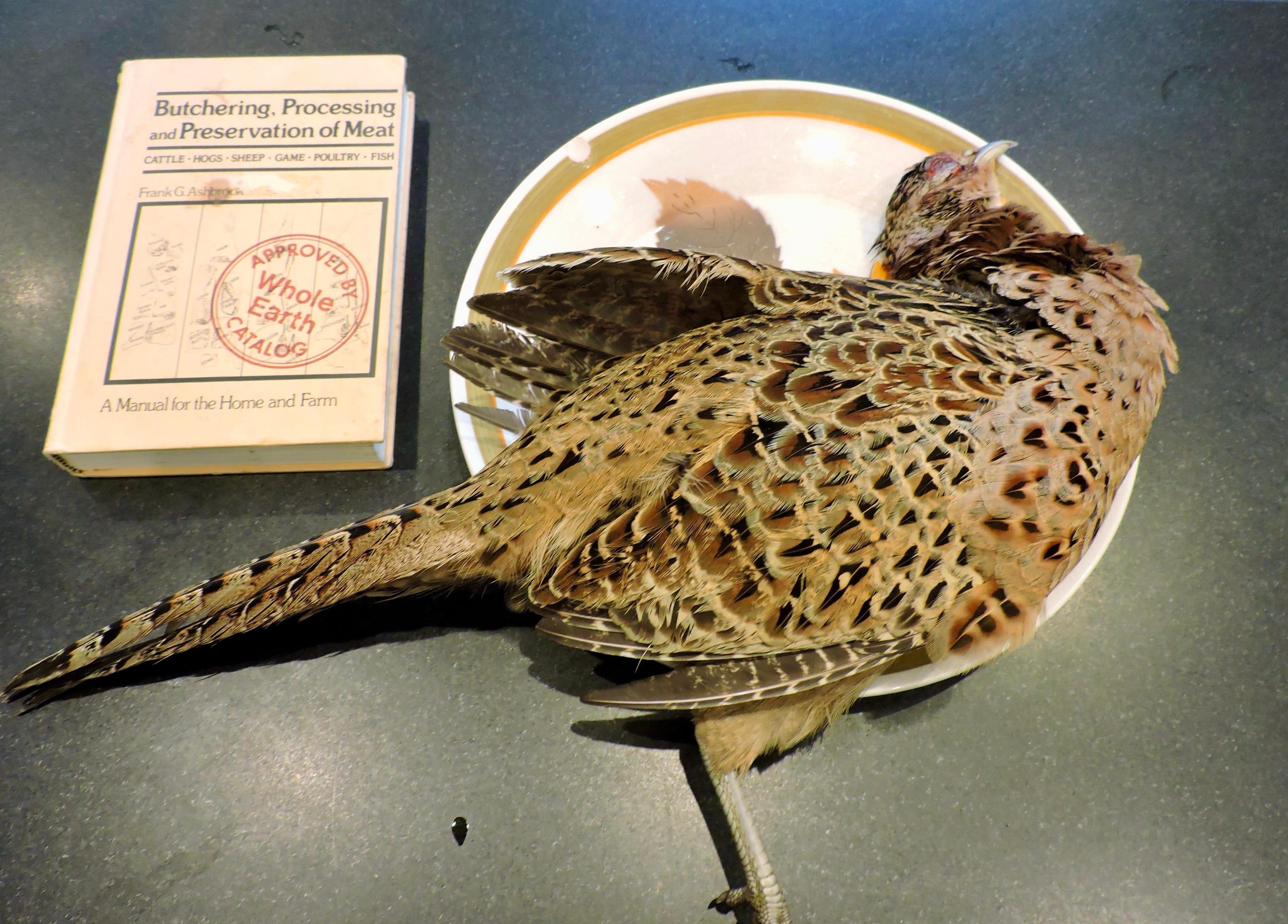
Hence I was surprised but not amazed when he appeared on our doorstep on New Year’s Day carrying a dead but intact hen pheasant, held behind his back in case it upset the children (aged two and four). He wouldn’t come in or stay long to be thanked because his grandson was waiting for him in his van.
Our friend needn’t have worried about the bairns: there was a sort of ceremonial-festival atmosphere as I carried the pheasant solemnly through to the kitchen, with them capering around me. They’ve seen pheasants and they’ve seen death already.
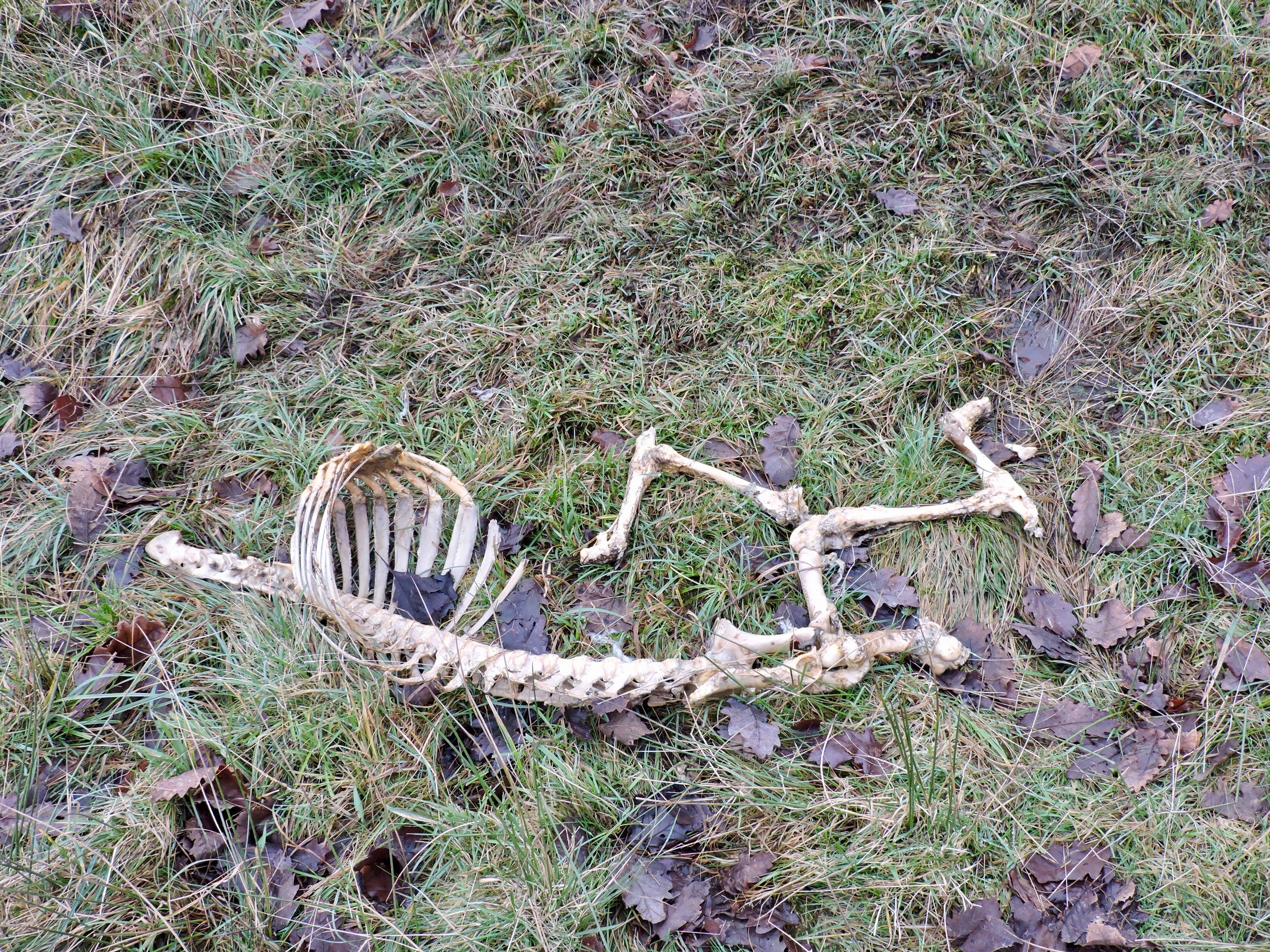
Things we’ve seen dead on walks and in our garden:
a deer3
squirrels
mice
rats
shrews, voles, etc
moles4
frogs
sheep
rabbits
a badger
a hare
a cat
bats
birds, e.g. blackbirds, pigeons, a snipe, pheasants, a duck, a thrush, tits, sparrows and finches
fish
The day before we’d seen a headless pigeon in the woods.
So this was exciting, to have a dead pheasant in the house, but not shocking or alarming.
However, unlike the children, I had mixed feelings. My gratitude was pure enough but I was fantastically busy and distracted by a lot of overlapping things involving family and work, and worried that I’d fail to rise to the moment. I’d never plucked, trimmed and gutted a bird of any kind from scratch. I have an old book called Butchering, Processing and Preservation of Meat, but I got that years ago mostly for smoking and curing, and, I’ll be honest, posing—mostly to myself.5 I’d like to be someone who can butcher, process and preserve meat.
The Farmer thought that I was such a person, at least to the extent of handling a pheasant. I’m guessing this is because I talk like such a person sometimes.
It’s perfectly legitimate and amiable to shrug and laugh at your pretensions and shortcomings, and move on, I do it often, but sometimes you can try to grow into your exaggerated self-image to make it a little bit truer.
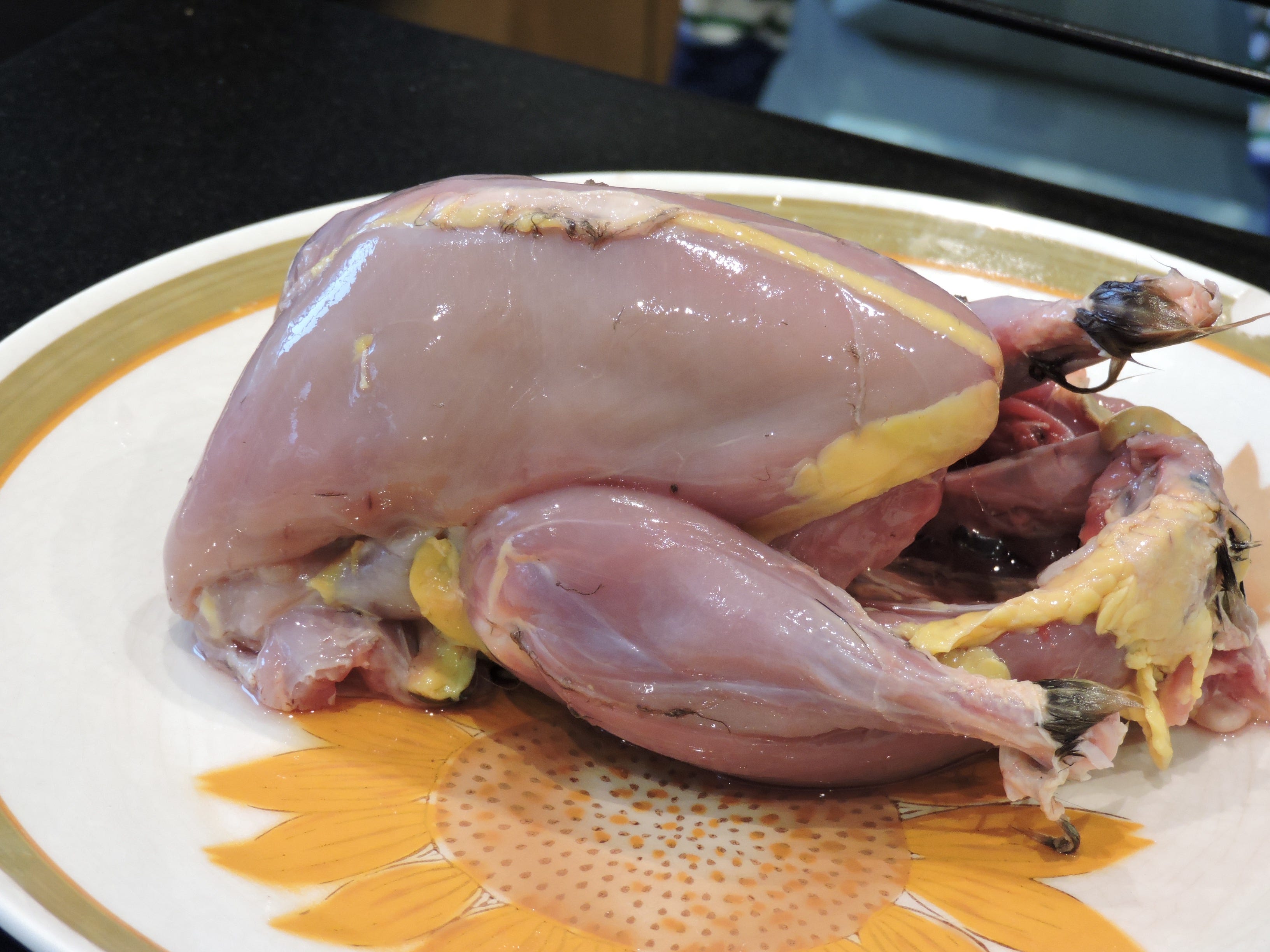
So one afternoon after it had been hanging around in the cold utility room for a few days, I removed the pheasant’s head, wings and feet, my wife skinned it, I removed its innards, my wife rinsed and tidied it, removing stray feathers, and then I jointed it. Skinning was quicker and easier than plucking and we’d decided to casserole it anyway.
We didn’t make an especially neat job of it, but it was okay. It wasn’t technically particularly difficult. There was some knife work though much of it was done with our hands. It might seem pretty grisly if you’re not used to this sort of thing and it’s not a job to take on if you’re in two minds about what you’re doing, you have to do it with conviction.
It’s an outdoor job and requires some prep: we used a sharp short-bladed knife, a chopping board to do the work on, a large bowl with cold water for cleaning, a large carrier bag for feathers and other waste and a plate to put the finished bird on. I also filled the kitchen sink with hot soapy water, like someone getting ready for an emergency home birth.
Having two of us, and especially having someone else who could offer a second opinion or look something up when your hands were full, made it a lot easier for novices like us. It was obvious, though, that someone skilled and experienced would do all this quickly and casually, and make a much better job of it.
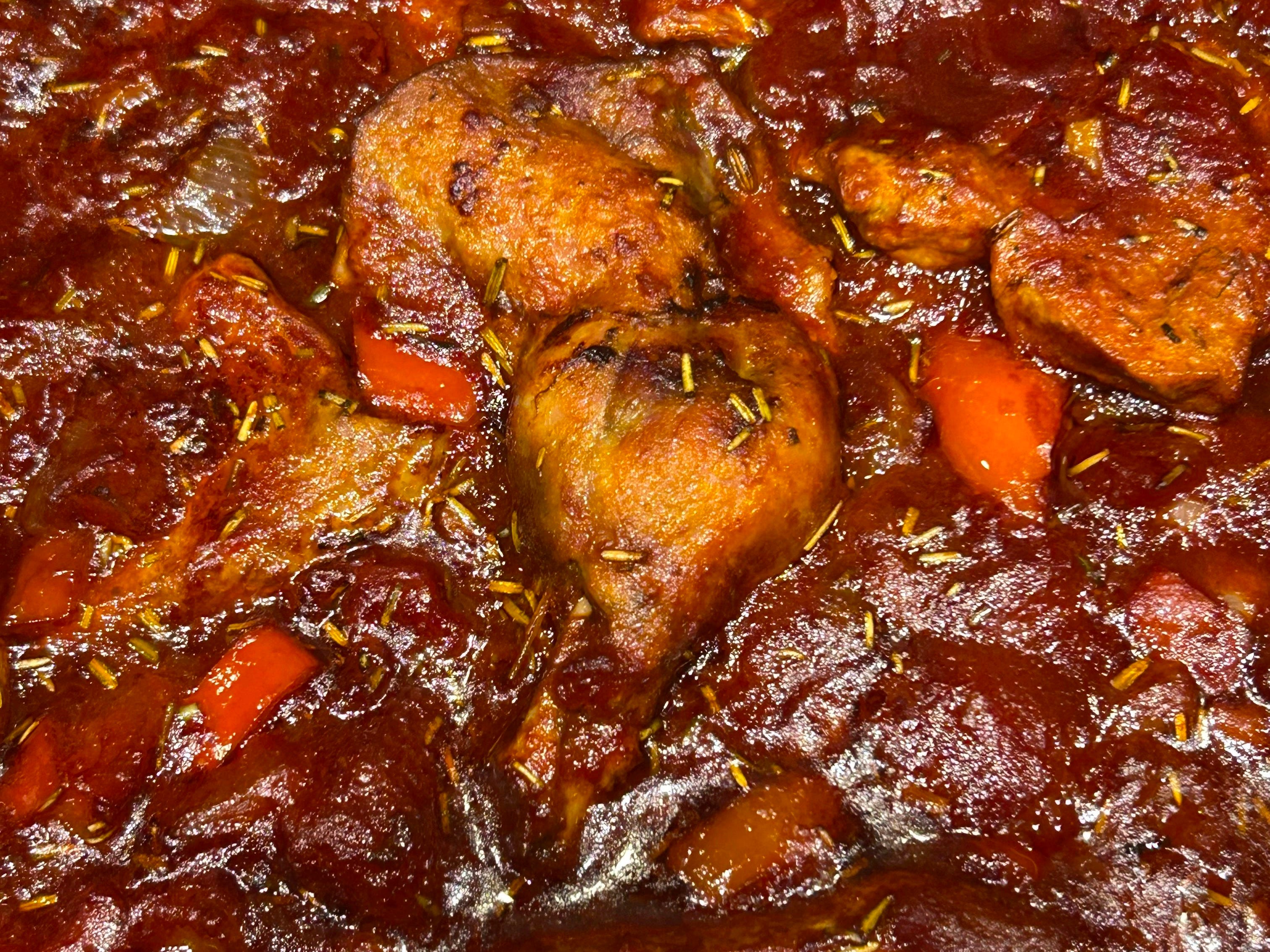
I browned the pheasant legs and breasts and seasoned them with salt and pepper, set them aside, made a sort of soffritto by sautéing cubes of locally smoked pig cheek (guanciale), onion, garlic, fennel, carrots and red pepper slowly in olive oil, seasoned this with rosemary, thyme and fennel seeds, added tomato paste, a tin of chopped tomatoes, some wine and a lot of meat stock,6 returned the browned pheasant to the liquid, and then cooked this on a low heat for a few hours.
We ate the finished dish with potatoes and greens. It would’ve been good with pappardelle but the children love taters. Both tried the pheasant and our daughter had seconds. Perhaps it was just the sunk cost fallacy talking, but I enjoyed it a great deal.
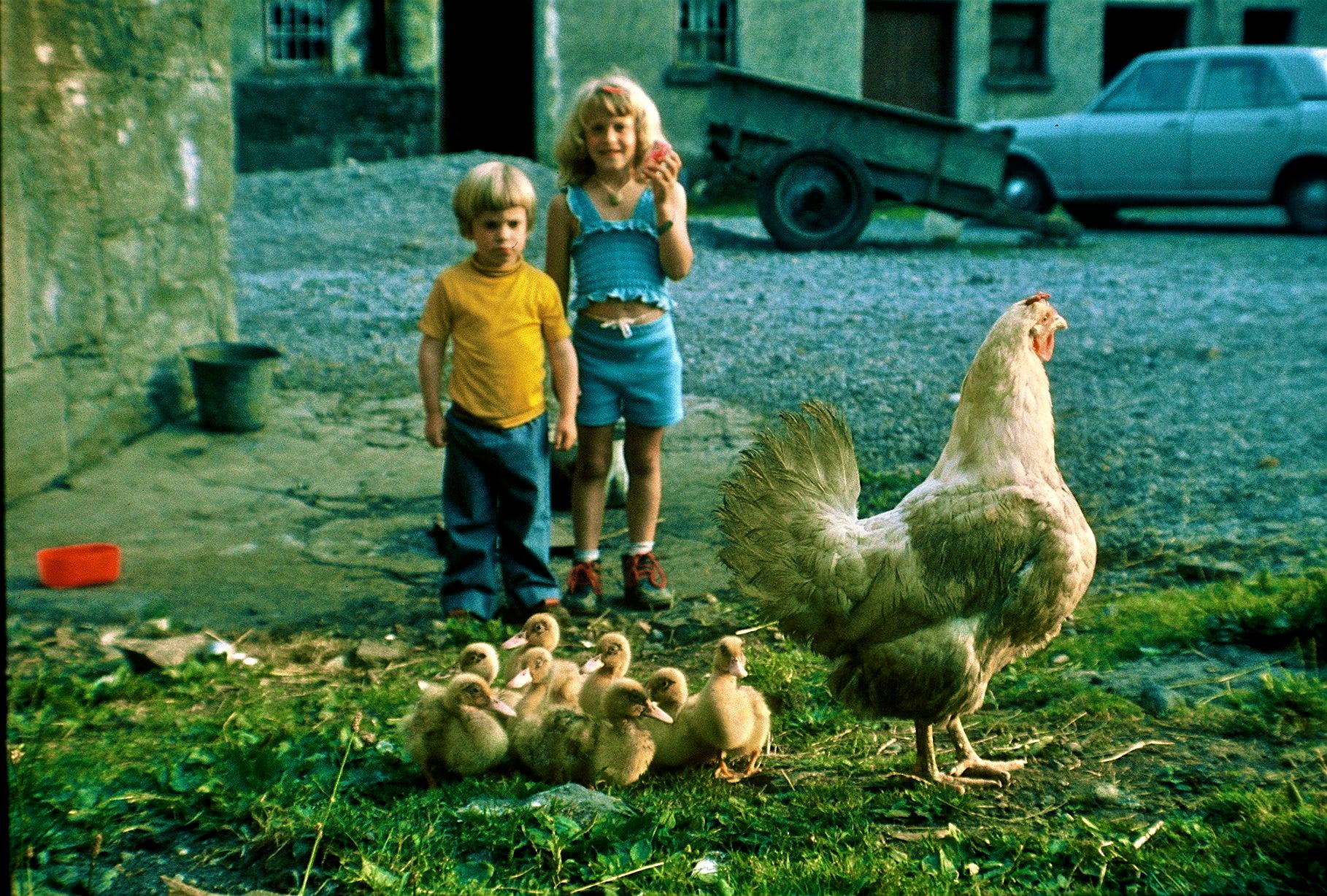
I took a lot of satisfaction from the whole episode beyond the eating of the food. Among other things, I’d done something my ten-year-old self would be impressed by for probably the first time in a while.
In notebooks, on scraps of paper in folders and envelopes, in odd places on my computer, I have scores and scores of stubs, which is to say pictures and ideas for writing that haven’t been fully developed or realised. Some are tiny; some are quite close to maturity. There’s something alike in broader life: ideas of living I’ve had, paths started on but not taken, ways of thinking about myself that are unrealised or incomplete. And this gift of a pheasant touched on one of the oldest stubs and brought it suddenly to life.
Our doubts are traitors,
And make us lose the good we oft might win,
By fearing to attempt. (Measure for Measure)
You might also like…
My tractor isn’t your prom dress

As boys with dogs who were keen on trespassing, my friends and I were wary of farmers aged from around 7–14, but then you grow up and things change. At the Westmorland County Show this year and being among a thousand Cumbrian farmers, my wife and I had a strange, impossible, ludicrous yearning to be part of their tribe.
Paul Fishman (Skelsmergh, January 2026)
One of the tractors was his first as a young man (I think boy) and he can if he has a mind to tell you the mechanical status, provenance and history of each object in the yard. The fields around the farm are worked by another farmer, with sheep and sometimes cattle grazing there. The Farmer bought/rescued his hens from a commercial operation, which he described with understated disgust. He thought their notion of what made something free range was pitiful; a merciful man is merciful also to his beast.
I was going to say he’s a sort of Hair Fairy, in analogy to the Tooth Fairy, but I doubt he’d thank me for that.
The deer made a strong impression on our son, who I was carrying in a backpack at the time. (Our daughter hadn’t yet been born.) As we saw it lying on the ground from a distance my wife and I were saying to each other things like, “I hope it’s dead, otherwise we’ll have to put it out of its misery”; “We’ll have to knock it on the head with a stick”; “There’s fresh blood so it’s only just happened”; “Its eyes are already gone”; “Thank God, it’s dead”. For a long time after our son would suddenly out of nowhere say, “Eyes are gone”; “Fresh blood”; etc. He was still very young, so didn’t enunciate this very clearly and said it eerily in a sing-song voice.
Sometimes the moles are strung up on fences in a row. A neighbour explained that if a farmer is paying a bounty on moles (their holes are dangerous for grazing animals, e.g. they can break their legs stepping in them), this is how mole hunters show what they’ve done and get paid.
I also wanted it for research for a story I thought about for a long time but never wrote. I did learn quite a lot from this, so all’s not lost. Plus the book is now >£70 secondhand in GB. (I also have The Poacher’s Handbook, for similar reasons.)
Stock I made after Christmas using chicken and duck bones and some pork trimmings, as well as the usual vegetable waste. A chef at one of the restaurants I worked in as a youth taught me to always keep a bag in the freezer not just for bones and meat trimmings but for vegetable waste, like carrot tops, green bean ends, etc.